
Side Hustle Income: Why “It’s Not Much” Still Matters to the IRS

For many people, a side hustle starts casually.
A few freelance projects.
Selling products online.
Driving occasionally for a delivery app.
Taking on consulting work after hours.
At first, the income feels small. Maybe a few hundred dollars here and there. Nothing major.
So when tax season arrives, many people assume the same thing:
“It’s not much. The IRS probably doesn’t care.”
Unfortunately, that assumption can lead to costly mistakes.
At Straight Talk CPAs, we regularly speak with individuals who underestimate the tax implications of side income. What begins as a small side hustle can quickly create reporting obligations, tax liabilities, and compliance issues that many people never expected.
The key thing to understand is simple: the IRS cares about all taxable income, no matter how small it may seem.
Let’s break down why that matters.
Why Side Hustle Income Is Still Taxable
Many people think income only counts if it comes from a traditional employer.
But the IRS views income differently.
If you earn money from:
- Freelancing
- Online sales
- Consulting
- Rideshare or delivery apps
- Digital services
- Content creation
- Marketplace platforms
…it is generally considered taxable income.
Even if the work is occasional or part-time, the income must typically be reported.
The confusion often comes from 1099 forms. Some platforms only issue a form once you pass certain thresholds. But that doesn’t mean income below that level is tax-free.
The rule is straightforward:
Income is taxable whether or not you receive a tax form.
Hidden Risk #1: Assuming Small Income Doesn’t Need Reporting
One of the most common mistakes side hustlers make is assuming the IRS only tracks large amounts.
But today, digital platforms report more data than ever before.
Payment processors, gig platforms, and online marketplaces frequently share transaction information with tax authorities.
If income appears in reporting systems but not on your tax return, it can trigger notices or questions later.
Even modest side income should be properly documented and reported.
Ignoring it now often creates problems down the road.
Hidden Risk #2: Forgetting Self-Employment Taxes
Side hustle income is usually considered self-employment income.
That means taxes can work differently compared to regular wages.
Instead of just income tax, you may also owe:
- Self-employment tax
- Medicare contributions
- Social Security contributions
This surprises many new side hustlers.
Because taxes aren’t automatically withheld like they are from a paycheck, people often underestimate how much they may owe when filing.
Planning ahead helps avoid that year-end shock.
Hidden Risk #3: Missing Legitimate Deductions
While side income creates tax obligations, it also creates deduction opportunities.
Many people miss these because they don’t track expenses properly.
Depending on the type of work, deductions may include:
- Equipment purchases
- Software subscriptions
- Business mileage
- Marketing expenses
- Home office costs
- Professional services
When expenses are documented correctly, they can reduce taxable income significantly.
Without good records, those deductions disappear.
Hidden Risk #4: Blurring Personal and Business Finances
Side hustles often start informally.
Payments go into personal accounts.
Expenses get mixed with everyday spending.
Receipts are scattered across emails.
Over time, this makes tax preparation more complicated.
Keeping side income organized from the beginning — even if the income is small — prevents headaches later.
A simple system for tracking income and expenses can make a big difference when tax season arrives.
When a Side Hustle Starts Becoming a Business
Many people begin a side hustle thinking it will stay small.
But successful side projects often grow faster than expected.
As income increases, new tax considerations may appear:
- Quarterly estimated taxes
- Business structure decisions
- Additional deductions
- Long-term tax planning
The earlier these areas are addressed, the easier it is to manage growth without unexpected tax surprises.
Final Thoughts: Small Income Can Still Have Big Tax Implications
Side hustles are a powerful way to build additional income, explore new skills, or start a future business.
But even modest earnings come with responsibilities.
What feels like “just a little extra money” can still affect your tax return through reporting requirements, self-employment taxes, and documentation rules.
The good news is that with the right planning, side hustle income doesn’t have to become a tax headache.
At Straight Talk CPAs, we help individuals understand how to report side income properly, identify deductions they may be missing, and structure their finances so small projects don’t turn into unexpected tax problems.
Because when your side hustle grows, your
tax strategy should grow with it.
Free eBook:
Stories of Transformation
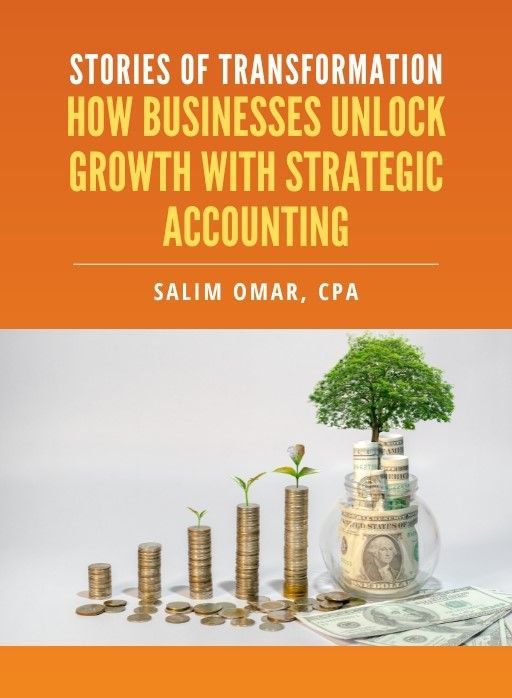

Salim is a straight-talking CPA with 30+ years of entrepreneurial and accounting experience. His professional background includes experience as a former Chief Financial Officer and, for the last twenty-five years, as a serial 7-Figure entrepreneur.
Recent Posts