The Ultimate Checklist for Year-End Retirement Contributions

If you only think about your retirement plan during tax season, you’re already behind. The real advantage comes from planning before the calendar flips. When you act proactively, you give yourself time to make strategic moves instead of scrambling for last-minute deductions.
Three reasons why this timing matters:
- Immediate Tax Relief: Contributions made before the deadline can directly reduce taxable income for the current year. That’s more cash staying in your business instead of going to the IRS.
- Compounding Growth: The earlier you contribute, the longer your investments have to grow tax-deferred. Time truly is your biggest ally.
- Financial Flexibility: With time still left in the year, you can decide whether to push profits into retirement accounts, increase employer contributions, or create new plans tailored to your structure.
Most importantly, it gives you options. And options equal control.
The Ultimate Year-End Retirement Contribution Checklist
Here’s what to review before you finalize your year-end numbers. Grab a coffee, sit down with your CPA, and go line by line.
1. Review Your Plan Type
Confirm whether your current setup — SEP IRA, SIMPLE IRA, or 401(k) — still fits your business model. Many growing companies outgrow their initial plans without realizing it. A plan that worked when you had three employees may not be optimal when you have twenty.
2. Max Out Employee Deferrals
If you’re an owner-employee, make sure you’ve hit the contribution limit ($23,000 for 2025; $30,500 if you’re over 50). These deferrals directly reduce taxable income, and if your business is profitable this year, this is an easy win.
3. Optimize Employer Contributions
Don’t just “match” for the sake of matching. Use your employer contribution strategically — especially if your business had a strong Q4. Profit-sharing plans, for instance, allow you to reward top performers while earning a significant deduction.
4. Take Advantage of Catch-Up Contributions
If you’re 50 or older, the IRS gives you permission to put in more — use it. Those extra dollars not only lower this year’s taxes but also build your personal nest egg faster.
5. Integrate with Your Tax Strategy
Too many business owners treat taxes and retirement planning as separate conversations. The reality? They should be part of the same conversation. The timing of your contributions can shift your tax position dramatically — especially for S-Corp and partnership structures.
6. Evaluate New Opportunities
If you don’t have a plan yet, don’t assume it’s too late. Setting up a Solo 401(k) or a Cash Balance Plan before year-end can unlock major deductions and backdate your contributions for this tax year.
7. Double-Check Compliance & Documentation
Audit trails matter. Confirm that payroll deferrals, match documentation, and plan records are accurate and accessible. Clean paperwork today prevents expensive headaches later.
How Strategy Turns into Real Results
One of our clients, a construction business owner, was hesitant to contribute to a retirement plan — worried it would tie up too much cash. We restructured his compensation through an S-Corp setup and layered in a 401(k) profit-sharing plan. The result? Nearly $30,000 saved in taxes and a retirement plan that now funds both the owner and his employees.
That’s what strategy looks like — using structure and timing to make your money work smarter.
A Few Year-End Questions Worth Asking
- Have I reviewed my retirement plan since my business grew?
- Am I contributing the maximum allowed this year?
- Is my CPA integrating retirement contributions into my tax plan?
- Are there new credits or incentives I qualify for?
- Do I have a clear plan for next year’s contributions?
If you can’t answer “yes” to all five, there’s room for optimization.
Bottom Line
Year-end isn’t just about closing the books — it’s about setting up next year’s success. Retirement contributions, when handled strategically, are one of the most powerful tools for both tax efficiency and long-term wealth creation.
At Straight Talk CPAs, we don’t treat retirement plans as a formality. We integrate them into your broader financial strategy — so every dollar you invest serves a dual purpose: lowering taxes today while building security for tomorrow.
👉
Ready to make your year-end move? Let’s review your options before December 31st and turn this year’s profit into next year’s freedom.
Free eBook:
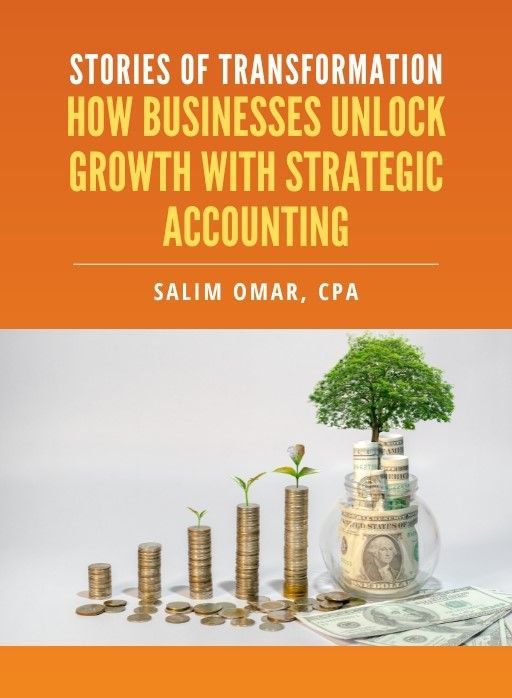
Stories of Transformation

Salim is a straight-talking CPA with 30+ years of entrepreneurial and accounting experience. His professional background includes experience as a former Chief Financial Officer and, for the last twenty-five years, as a serial 7-Figure entrepreneur.
Recent Posts