
When a Side Hustle Becomes a Business (and How Taxes Change)
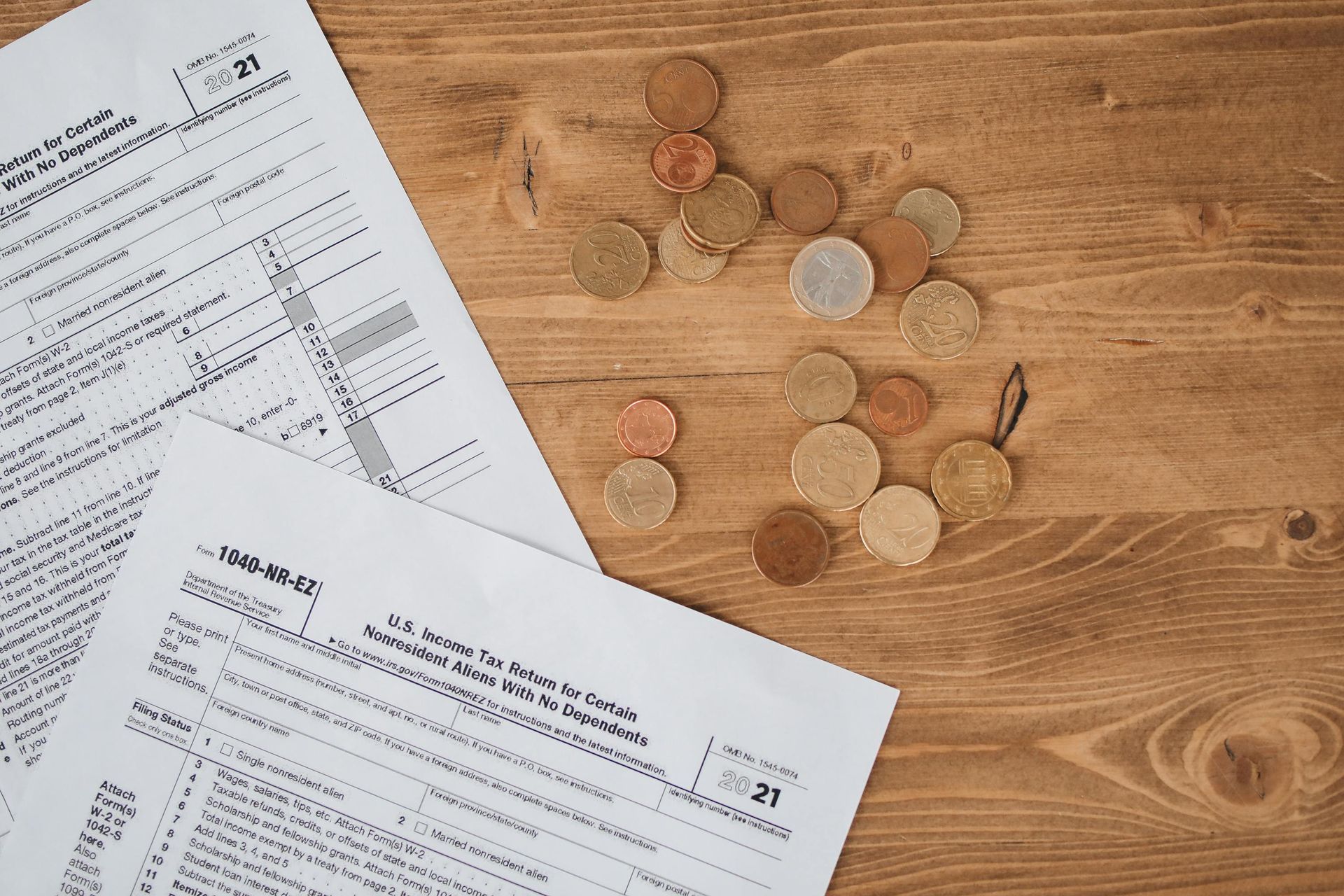
Many businesses don’t start as businesses.
They begin as something smaller. A freelance project after work. Selling products online on weekends. Consulting for a few clients while keeping a full-time job.
At first, it feels like extra income rather than a company.
Then something shifts.
The work becomes consistent. Clients start coming back. The income grows enough that it no longer feels like a small side project.
That’s usually the moment people start asking an important question: when does a side hustle officially become a business?
From a tax perspective, that shift can happen sooner than many people expect.
At Straight Talk CPAs, we often talk with individuals who started earning side income casually and later realized that the tax rules applying to them had already changed.
Understanding when that transition happens—and what it means for taxes—can help avoid surprises later.
Side Income Is Still Taxable
One of the biggest misconceptions around side hustles is that small or occasional income doesn’t really count.
In reality, the IRS generally treats all income as taxable, regardless of whether it comes from a traditional job or a weekend project.
That includes money earned through:
- Freelance services
- Online marketplaces
- Consulting or coaching
- Rideshare or delivery apps
- Digital products or content creation
Even if the work feels informal, the income still needs to be reported.
The confusion often comes from tax forms. Some platforms only send a 1099 after a certain threshold is reached, but the requirement to report income usually exists whether or not a form is issued.
Consistent Income Changes the Picture
A few small payments during the year may not feel like a business.
But when income becomes steady, the IRS typically views the activity as self-employment rather than a hobby.
That distinction matters.
Once income is considered self-employment income, it usually triggers additional tax responsibilities beyond regular income tax. Self-employment taxes cover Social Security and Medicare contributions that would normally be shared with an employer.
For someone who started with a small side hustle, this change can come as a surprise during the first tax filing.
Expenses Start Playing a Bigger Role
As side work grows, expenses often grow with it.
Software subscriptions, equipment purchases, advertising costs, and professional tools may all become part of operating the work.
These costs can potentially reduce taxable income, but only if they are properly tracked.
Many people treat their side hustle casually during the early stages. Expenses might be paid from personal accounts, receipts may not be saved, and financial records can become scattered.
Once the income increases, reconstructing those details later can be difficult. Keeping clear records early makes it easier to claim legitimate deductions when the side hustle begins operating more like a business.
Organization Becomes More Important
When money starts coming in from different places, staying organized becomes a lot more important than most people expect.
Simple steps can go a long way. Having a separate bank account for the side work, keeping basic records of income and expenses, and tracking things regularly can make tax time much easier.
It also gives you a clearer picture of how the work is actually performing. Many people realize that once they start paying closer attention to the numbers, they finally understand what their side hustle is really earning and where the money is going.
Growth Can Lead to New Tax Considerations
As a side hustle starts bringing in more consistent income, the tax side of things can begin to change.
Some people find they need to start making estimated tax payments during the year instead of waiting until filing season to settle everything. Others begin to wonder whether their current setup still makes sense as the income grows.
It really depends on how quickly the side work is expanding and how that income is coming in. As the numbers get bigger, a little planning usually goes a long way in avoiding surprises later.
The important thing is recognizing that taxes evolve as the business evolves.
Recognizing the Shift Early Helps
One of the biggest advantages a new business owner can have is recognizing the shift from side hustle to business early.
When you start treating your side hustle like a real business early on, the tax side tends to stay much more manageable. If those systems only come into place after the income has already grown, catching up can be a lot harder.
Simple habits help more than people think. Keeping track of expenses, reviewing income every now and then, and maintaining basic records can prevent a lot of confusion later on. What feels like a small effort in the beginning often saves a lot of time and stress down the road.
Final Thoughts
Most side hustles start pretty casually. Someone takes on a few extra projects, sells something online, or offers a service on the side to bring in a bit of extra income.
But once the work becomes more regular and the money starts adding up, the tax side of things changes, too.
Noticing that shift early makes a big difference. It helps you stay organized, keep track of the right expenses, and claim the deductions you’re actually entitled to—without running into surprises when tax season comes around.
At Straight Talk CPAs, we work with individuals whose side projects are turning into real businesses. Our goal is to help them understand how taxes change as income grows so they can move forward with clarity and confidence.
Because when a side hustle starts becoming something bigger, the right financial structure makes the next stage of growth much easier.
Free eBook:
Stories of Transformation

Salim is a straight-talking CPA with 30+ years of entrepreneurial and accounting experience. His professional background includes experience as a former Chief Financial Officer and, for the last twenty-five years, as a serial 7-Figure entrepreneur.
Recent Posts