
Depreciation Errors That Cost Real Estate Investors Thousands

Real estate investing is often built around long-term value — appreciation, cash flow, and tax advantages. One of the biggest tax benefits available to property owners is depreciation. Yet every year, many investors unknowingly lose thousands of dollars because depreciation isn’t handled correctly.
At Straight Talk CPAs, depreciation mistakes are one of the most common issues we see during tax preparation for real estate investors. The challenge isn’t lack of effort. Most investors simply aren’t aware of how depreciation works or when small reporting decisions can create expensive consequences later.
Understanding where depreciation goes wrong can help you protect profits and avoid costly corrections down the road.
Not Starting Depreciation at the Right Time
A common misunderstanding is when depreciation should begin.
Depreciation starts when a property is placed into service — meaning it’s ready and available to rent — not when it’s purchased or when the first tenant moves in.
Many investors delay depreciation because renovations take time or the property sits vacant initially. Others forget to begin depreciation entirely during the first year of ownership.
Missing those early years doesn’t just affect current taxes. It can create complicated adjustments later that require additional filings to correct.
Depreciating the Entire Purchase Price
Another costly error happens when investors depreciate the full property price.
Land cannot be depreciated. Only the building and certain improvements qualify. The purchase price must be properly allocated between land value and building value before depreciation begins.
When land is included incorrectly:
- deductions may be overstated
- future corrections may be required
- audits become more likely
Accurate allocation at the beginning prevents long-term reporting problems.
Confusing Repairs With Capital Improvements
Real estate investors regularly spend money maintaining their properties. The mistake comes when repairs and improvements are treated the same way.
Repairs typically include:
- fixing leaks
- repainting
- replacing small components
- routine maintenance
These expenses are usually deductible in the current year.
Improvements, however, add value or extend the life of the property — such as new roofs, major remodels, or structural upgrades. These costs must be depreciated over time.
Misclassifying expenses can either reduce deductions unnecessarily or trigger compliance issues later. Proper categorization ensures you receive the benefit without creating risk.
Ignoring Component Depreciation Opportunities
Many investors use standard depreciation without realizing certain property components can depreciate faster.
Items like:
- appliances
- flooring
- fixtures
- specialized equipment
may qualify for shorter depreciation schedules depending on the situation.
Without proper analysis, investors may spread deductions over decades instead of capturing larger benefits earlier in ownership. This often represents one of the biggest missed tax-saving opportunities in real estate investing.
Forgetting About Depreciation Recapture
Depreciation lowers taxable income during ownership, but it also affects taxes when the property is sold.
Some investors are surprised by depreciation recapture — the portion of gain taxed when previously claimed depreciation is recognized at sale.
Problems occur when investors:
- never tracked depreciation accurately
- skipped depreciation entirely
- underestimated the tax impact of a sale
Even if depreciation wasn’t claimed, tax rules may treat it as if it was. Proper planning during ownership helps prevent unexpected tax bills when exiting an investment.
Overlooking Changes in Property Use
Properties don’t always stay the same.
A primary residence may become a rental. A long-term rental may turn into a short-term vacation property. Investors may temporarily occupy a unit before renting again.
Each change can affect depreciation calculations and timelines.
Without updating records when property use changes, depreciation schedules may become inaccurate. Filing season often reveals these inconsistencies years later, making corrections more complicated than they needed to be.
Poor Recordkeeping Over Time
Depreciation is not a one-year decision. It follows the property for decades.
Many investors lose track of:
- improvement costs
- renovation dates
- asset additions
- prior depreciation schedules
When records are incomplete, calculating accurate deductions — or preparing for a future sale — becomes difficult.
Keeping organized documentation ensures every improvement is properly captured and every deduction supported.
Why Depreciation Mistakes Happen So Often
Real estate investors usually focus on acquisition, financing, tenants, and property performance. Tax reporting feels secondary compared to managing the investment itself.
Depreciation rules also aren’t intuitive. Software may calculate basic deductions, but it cannot always recognize planning opportunities or long-term consequences.
Most costly errors come from reasonable assumptions:
- believing depreciation is automatic
- assuming purchase price equals depreciable value
- treating all property expenses the same
Over time, these small misunderstandings can add up to significant financial impact.
Protecting Your Investment Strategy
Depreciation should work as a strategic advantage, not a hidden liability.
When handled correctly, it can:
- reduce taxable income
- improve cash flow
- support long-term investment planning
- minimize surprises when selling
At Straight Talk CPAs, the goal is to help real estate investors understand how depreciation fits into the bigger financial picture. Clear planning today prevents expensive corrections tomorrow and helps ensure your tax strategy supports your investment goals year after year.
Real estate investing already requires careful decisions. With accurate depreciation and organized reporting, you keep more of what your property earns and move forward with confidence.
Free eBook:
Stories of Transformation
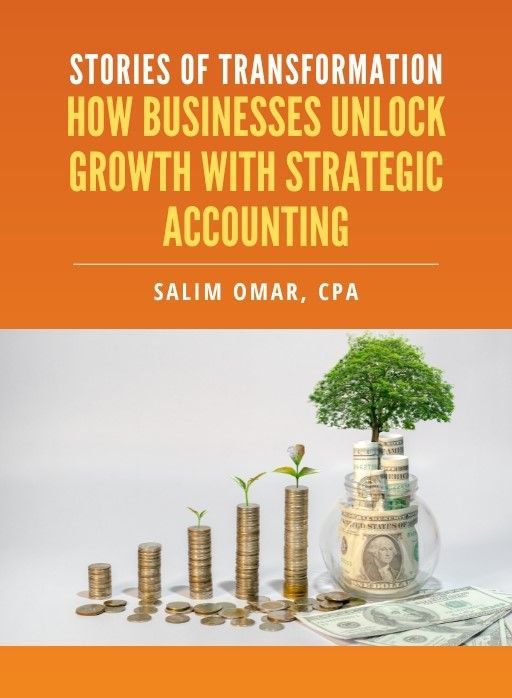

Salim is a straight-talking CPA with 30+ years of entrepreneurial and accounting experience. His professional background includes experience as a former Chief Financial Officer and, for the last twenty-five years, as a serial 7-Figure entrepreneur.
Recent Posts