How a Tax Projection Can Change Your Business Decisions Before Year-End
An owner calls in January. The year was a good one: sales up, a new hire, equipment finally replaced. Then the tax number comes back, and the cash to pay it isn’t there. The business didn’t do anything wrong. The money was spent before anyone knew how much of it was owed.
A year-end tax projection fixes that. It gives you a number while there’s still time to change plans, so you see what you’ll owe first and decide on hiring, spending, and draws second.
See What Your Profit Can Actually Support
Your profit and loss statement shows how the business is doing. A projection takes the next step and estimates how much of that profit will be taxable, and what the tax on it will be.
Those two numbers often don’t match. Deductions, depreciation, your entity type, and income from other sources can all move taxable income away from book profit. Once you have the projection, you can see how much cash to set aside, whether your estimated payments are still the right size, and how much room you have for expenses coming up.
So don’t stop at asking whether revenue is growing. Ask whether the business can afford the decisions you want to make next.
Check Big Decisions Before You Commit The Money
Take a planned equipment purchase. It might speed up production, cut costs, or let you handle more orders. The tax treatment matters, but it’s one factor among several. You also have the price, the financing cost, what the machine should earn, and the cash you need for bills that are already coming.
Hiring works the same way. A new employee might let you serve more customers, but payroll is a cost that doesn’t stop. If your tax bill is running higher than you expected, you need to know how much cash is left to carry that person through the slow months.
A projection can’t tell you whether an investment will pay off. What it does is show you what each commitment would do to your cash and your taxes before you sign anything.
Don’t Let A Deduction Make The Decision
One mistake we’d like owners to avoid is spending money they’d otherwise keep just because it might be deductible.
Say you need new equipment and there’s a good reason to buy it before December. The tax treatment might make the case stronger, and that’s fine. But buying a $30,000 machine mainly to lower your tax bill still costs you $30,000. A deduction cuts your taxable income. It doesn’t refund the purchase price. If you didn’t need the machine, you'd trade cash for something that sits in the shop.
Whether to buy depends on what the equipment is worth to the business, the tax rules that apply, when the deduction lands, and how much cash you have. With a projection in hand, you and your
CPA can look at the likely tax savings next to the real cost, then decide whether to buy now, wait, or do something else.
How One Projection Can Change The Order Of Your Plans
Picture a service business that has won several big contracts. Revenue is well ahead of plan. The owner wants to hire someone, upgrade equipment, and take larger distributions before December.
The updated projection shows a tax bill higher than the owner expected. The planned distributions would leave too little cash for taxes and the next few payrolls.
The plans don’t die. They get put in order. The hire the contracts depend on goes first. The equipment upgrade gets measured against what it would earn. The distributions get reset after taxes, and working capital is covered. The owner still grows the business, just in a sequence the cash can handle.
This is a hypothetical case, but the point holds in real ones. A projection doesn’t make the decision for you. It shows you the trade-offs.
What To Pull Together Before The Year Ends
A projection is only as good as the information behind it. Before you meet with your CPA, get these in order:
- Year-to-date results. Make sure revenue, expenses, payroll, and large transactions are recorded correctly in your books.
- Your best guess for the rest of the year. Remaining sales, expected costs, and anything that will change your profit.
- Taxes already paid. Withholding and estimated payments so far, compared with the latest projection.
- Upcoming commitments. Planned hires, equipment, owner distributions, and expansion costs.
- Planning options. Deductions, credits, retirement contributions, and anything else that could apply to you.
Your CPA can use your numbers and the current rules to tell you whether anything needs to change before the year closes.
Make Your Next Decision With A Clearer Picture
A projection helps most when you can still act on it. Wait until the return is being prepared and you’ll learn what you owe, but you can’t go back and use the moves that had to happen before December 31.
So start now. Look at your year-to-date results and write down the big decisions you expect to make before the year ends. Then ask how each one would change your taxable income, your cash, and your position going into next year.
At
Straight Talk CPAs, we tie
tax planning to your reporting and cash flow, so projections turn into decisions you can act on.
Free eBook:
Stories of Transformation
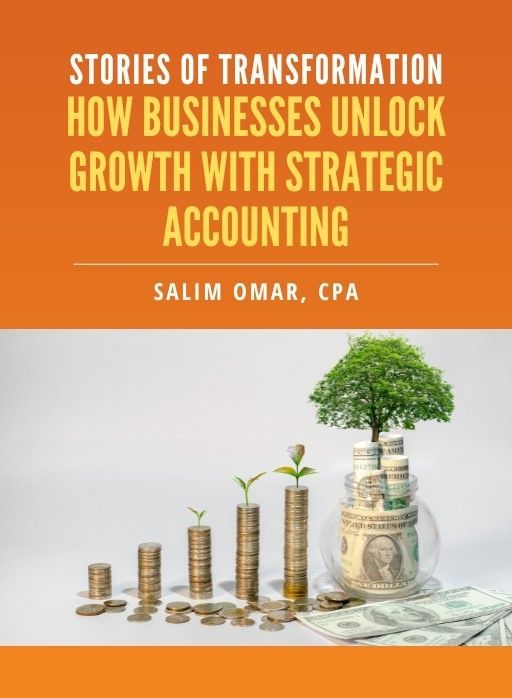

Salim is a straight-talking CPA with 30+ years of entrepreneurial and accounting experience. His professional background includes experience as a former Chief Financial Officer and, for the last twenty-five years, as a serial 7-Figure entrepreneur.
Recent Posts