How to Set Aside Taxes Consistently Without Cash Flow Stress
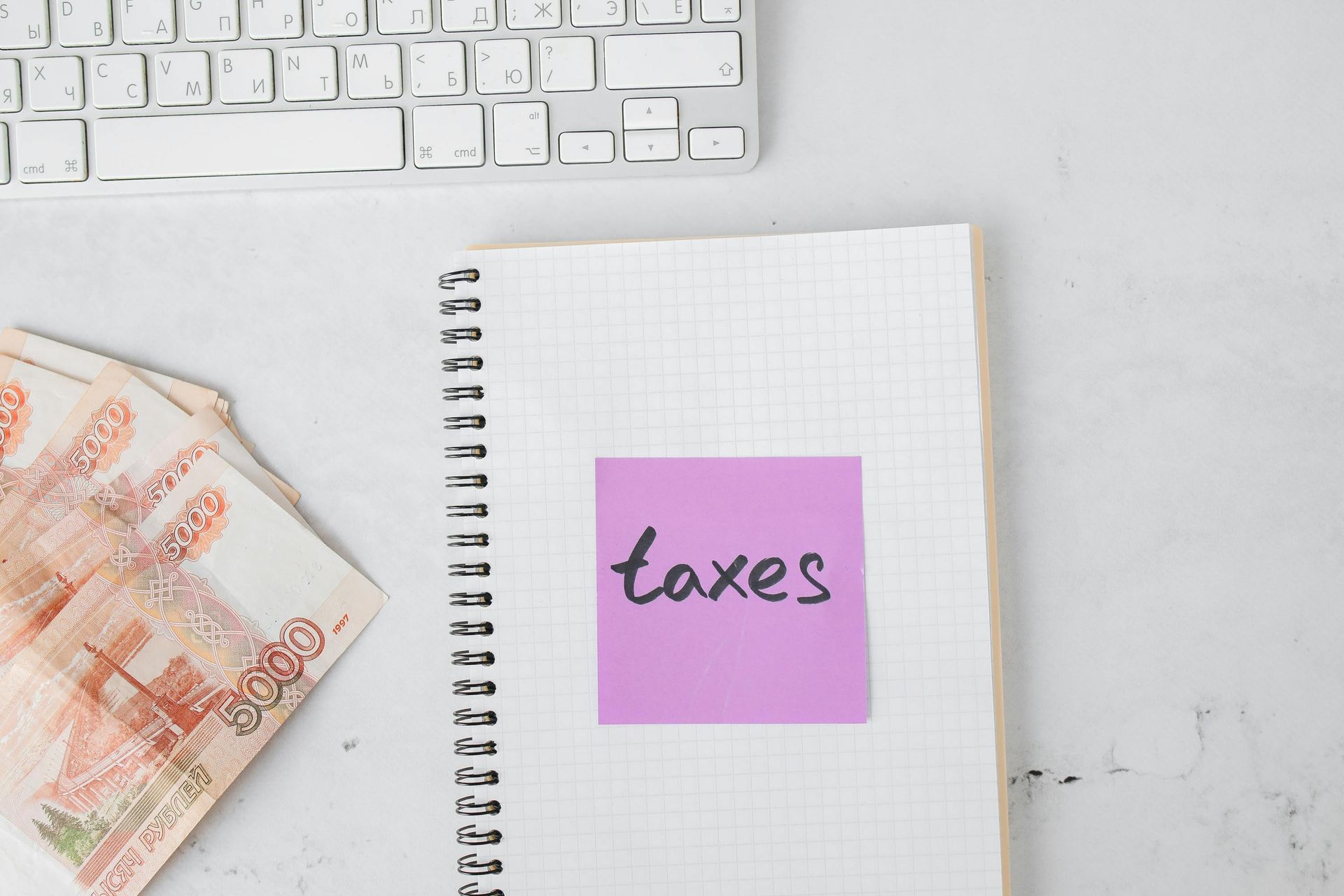
Why Setting Aside Money for Taxes Feels Hard And How to Fix It
One of the most common things I hear from business owners is surprisingly straightforward:
"I know I should be setting money aside for taxes, but every time I do, it feels like I'm pulling cash away from the business."
I'm Salim Omar, founder of Straight Talk CPAs, and I've had this conversation more times than I can count. After nearly three decades of working with growing businesses, I can tell you that in most cases, the problem isn't profitability. It's that there's no real system in place.
Most owners don't think about taxes until the payment is almost due. By then, that cash has already gone somewhere: payroll, inventory, equipment, a growth push, or an owner draw. So, when the bill arrives, it feels like it's competing with everything else the business needs.
It doesn't have to work that way.
Why It Feels So Hard
The biggest mistake I see is treating taxes like a future problem instead of an ongoing one.
Every profitable month creates a tax obligation. The trouble is that the obligation stays invisible while the cash is still sitting in your account. So owners put it to work hiring, investing, expanding, and distributing. None of those decisions is wrong on its own. The problem is that a chunk of that cash already had a purpose. It just hadn't come due yet.
Without a process to separate those funds, tax payments end up feeling bigger and more disruptive than they should.
Stop Saving Whatever's Left Over
The most effective shift I've seen working with business owners is moving away from the idea of saving whatever happens to be left at the end of the year. In my experience, that approach rarely holds up.
Taxes should be treated like any other recurring obligation budgeted for throughout the year, not scrambled for at the end of it. A dedicated tax reserve account makes this straightforward. Set up an automatic transfer of a percentage of revenue or profit on a regular basis, and you start building toward future payments long before they land.
It doesn't need to be a perfect number. It needs to be consistent.
When tax savings become part of the normal financial process, they stop competing with every other decision in the business.
Why Consistency Beats Precision
A lot of the owners I work with delay setting up a reserve because they're not sure what percentage to use. I understand the concern, but waiting for the perfect number usually just means saving nothing.
An estimated amount set aside consistently is far more valuable than a precise calculation that never actually happens. In my experience, the businesses that stay ahead of taxes aren't necessarily the most accurate; they're the most consistent. Over time, those habits create stability.
Forecasting Is What Actually Removes the Stress
A tax reserve helps you prepare. Forecasting helps you prepare intelligently. When you can project revenue, expenses, and cash flow several months out, tax planning stops being a guessing game. You can see what's coming, adjust before it becomes a problem, and answer questions like:
Will this tax payment affect our hiring plans? Is now the right time for a major investment? Can we sustain current owner distributions?
That's where financial stress starts turning into financial confidence.
What This Looks Like in Practice
Not long ago, I worked with a business owner whose company was growing well, revenue up, margins healthy, and cash balances looking solid. Most financial decisions were made based on what was sitting in the operating account. Money got reinvested, distributions went out, and things felt fine.
What was missing was a process for reserving tax funds and forecasting what was coming.
As profitability grew, so did the tax liability. By the time we updated the projections together, a significant portion of the upcoming cash was already spoken for. The business was still profitable, but cash flow planning had fallen behind.
After putting a tax reserve in place, building out regular forecasts, and doing ongoing cash flow reviews, taxes became predictable. More importantly, the owner could make business decisions without that underlying uncertainty about whether the money would be there when it was needed to be.
The Bigger Picture
Handling taxes well isn't just about avoiding a surprise bill. It's about having a clearer view of your business overall.
The owners I've worked with who manage taxes consistently tend to have something else going for them, too. They know how much cash is available, what's reserved, and what's coming up. That visibility improves everything: decisions, cash flow, profitability, and long-term growth.
If setting aside money for taxes feels hard, don't start by focusing on the tax bill. Start by looking at your process.
Do you have a dedicated reserve? Are you setting money aside consistently throughout the year? Do you have forecasts that show you what's coming before it arrives?
The businesses that handle this best aren't always the most profitable. They're the ones with the clearest systems and the strongest financial habits.
At Straight Talk CPAs, we help business owners bring bookkeeping, tax planning, cash flow management, and
CFO-level guidance together into one practical strategy. When you can see where your business is heading, not just where it stands today, taxes stop feeling like a threat and start feeling like something you've already planned for.
👉
Schedule a conversation
Free eBook:
Stories of Transformation

Salim is a straight-talking CPA with 30+ years of entrepreneurial and accounting experience. His professional background includes experience as a former Chief Financial Officer and, for the last twenty-five years, as a serial 7-Figure entrepreneur.
Recent Posts