Sales Tax vs Income Tax: What Online Sellers Confuse Every Year
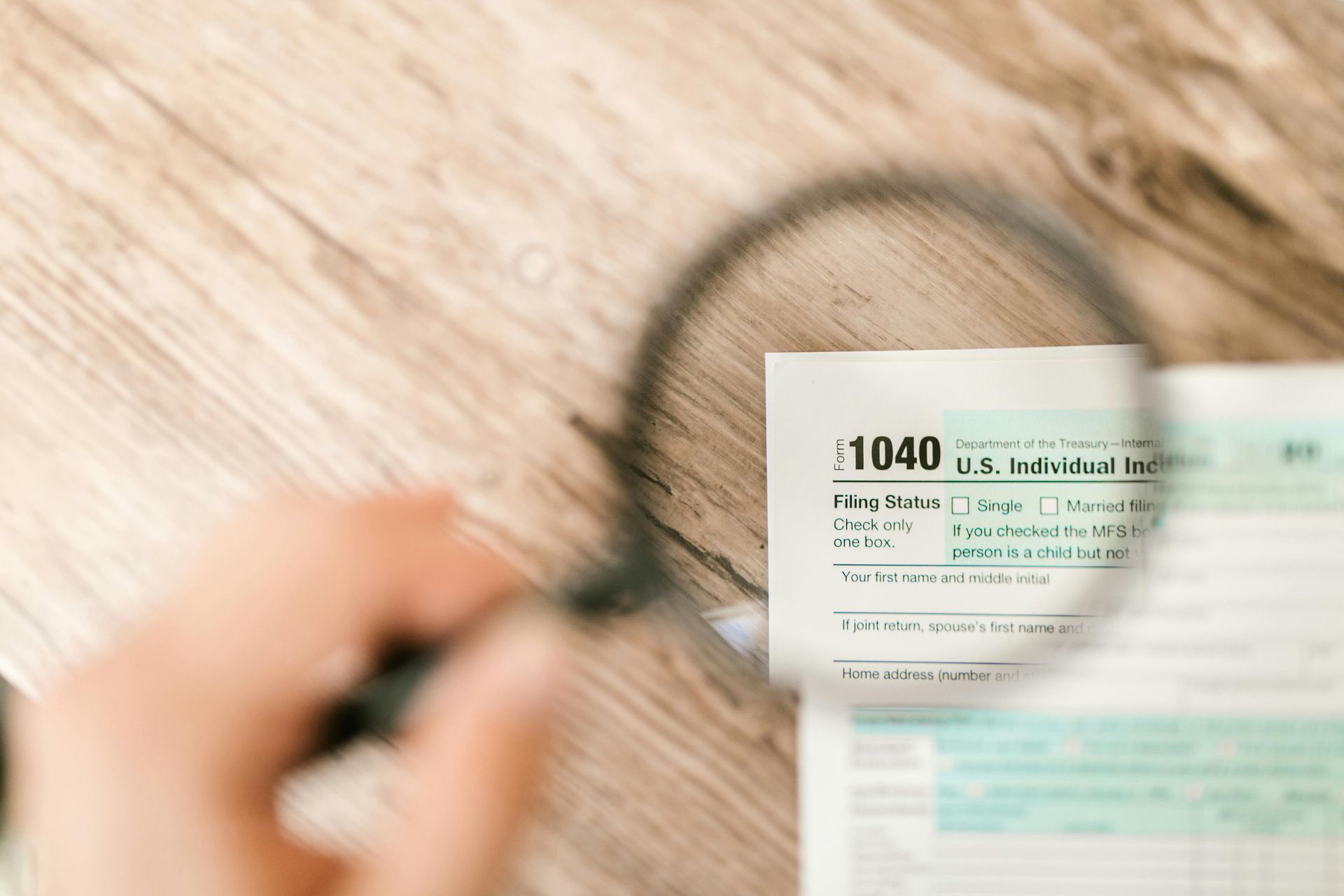
If you sell online, taxes can get confusing fast. One of the biggest mix-ups happens between sales tax and income tax. Many sellers think they’re the same thing. Others assume paying one covers the other. That’s where problems begin.
At Straight Talk CPAs, this is something people ask about every single year. You might be getting regular orders now, sending packages to different places, and doing your best to keep things in order. But when taxes come into the picture, it can get confusing fast. It’s not always clear which tax applies to you, when you’re supposed to deal with it, or why it even matters in the first place.
Sales tax and income tax may sound similar, but they’re two very different things. They work differently, are handled differently, and mixing them up can lead to stress, notices, or bills you didn’t see coming. Once you clearly understand how each one fits into your business, things start to feel a lot less complicated.
Let’s break it down in a simple, practical way.
The Simple Difference Most Sellers Miss
The easiest way to think about it is this:
- Sales tax is something you collect.
- Income tax is something you pay.
Sales tax is charged to your customer at the time of sale, depending on where they are located. You collect it and later send it to the state.
Income tax is based on how much money you earn from your business after expenses. That comes out of your pocket.
Even though they both have the word “tax,” they work in very different ways.
Why This Confusion Happens So Often
If you’re new to selling online, you’re already managing products, orders, returns, shipping, and customer service. Taxes often become something you plan to “figure out later.”
Many sellers assume:
- If they’re paying income tax, they’re covered
- If their platform collects tax, they don’t need to think about it
- If they’re small, they don’t need to worry yet
These assumptions can create gaps. And those gaps often show up at the worst time — when a notice arrives or when you’re filing your return.
What Sales Tax Actually Means for You
Sales tax isn’t about your profit. It’s about the transaction.
When you sell a product to a customer in a state where you have a tax obligation, you may need to collect sales tax at checkout. That money does not belong to you. You’re simply holding it until it gets sent to the state.
This is where many sellers get tripped up. It can feel like extra income when it lands in your account, but it’s not. It’s a responsibility.
Over time, as your business grows, you may start selling in more states. That can create new sales tax responsibilities without you even realizing it. This is why staying aware matters.
What Income Tax Means for Your Business
Income tax works differently. It’s based on what your business earns.
You start with your total sales. Then you subtract your business expenses — things like supplies, shipping, software, and other costs. What’s left is your profit, and that’s what income tax is based on.
So even if you collect sales tax from customers, that amount doesn’t count as your income. It’s separate. Mixing the two in your records can create confusion later.
Questions Online Sellers Often Have
If you’re trying to understand the difference, these questions may sound familiar.
Do I need to pay both sales tax and income tax?
Yes. They are separate responsibilities. One is collected from customers, the other is based on what you earn.
What if I didn’t collect sales tax earlier?
This happens more often than people think. The best next step is to review where you may have had an obligation and figure out how to correct it moving forward.
If my selling platform collects sales tax, am I done?
Sometimes platforms collect and send sales tax for certain states, but not always for everything. It’s important to know what’s being handled and what still falls on you.
Does income tax apply even if my business is small?
Yes. If you’re earning income, it usually needs to be reported, no matter the size of the business.
Understanding these basics helps you stay prepared instead of surprised.
Where Things Usually Go Wrong
The most common issue isn’t that sellers ignore taxes. It’s that they don’t separate them clearly.
- Sales tax money gets mixed into the general income.
- Income gets reported without tracking expenses properly.
- Records don’t show what was collected versus what was earned.
At first, it may not seem like a big deal. But over time, it can make filing harder and increase the chances of mistakes.
Why Organization Makes a Big Difference
When sales tax and income tax are tracked separately from the start, everything becomes easier.
You can clearly see:
- What you collected for sales tax
- What you actually earned
- What expenses reduce your income tax
This clarity helps avoid last-minute stress when tax season arrives. It also makes it easier to answer questions if they ever come up.
Growing Sales Often Change Tax Responsibilities
Another reason this confusion happens is growth.
You might start by selling locally. Then orders come from other states. Over time, your reach expands. With that, growth can come new sales tax obligations in places you didn’t expect.
It doesn’t mean you did something wrong. It just means your business is evolving. Keeping track of where you’re selling and how your sales are growing helps you stay ahead.
Taking the Stress Out of It
If this all feels like too much to take in, that’s normal. Most online sellers spend their time trying to grow, fulfill orders, and keep customers happy. Taxes often get pushed aside until they become hard to ignore.
What matters is not letting that confusion stop you from taking the next step. Once you start to see the difference between sales tax and income tax in a simple way, it doesn’t feel as heavy. Things begin to fall into place, and handling them becomes a lot more manageable.
- You know what money belongs to you.
- You know what needs to be set aside.
- You know what needs to be reported.
And that clarity gives you confidence.
Moving Forward with Confidence
Taxes don’t have to feel complicated or overwhelming. When someone takes the time to explain things in a clear, practical way, the confusion fades quickly.
At Straight Talk CPAs, the focus is always on helping online sellers understand what’s really going on behind the numbers. No assumptions. No pressure. Just simple, honest guidance based on what your business actually needs.
Whether you’re just getting started or already seeing steady sales, knowing the difference between sales tax and income tax is one of the most important steps you can take. It keeps your records clean, your stress low, and your business moving forward without surprises.
And when you want answers you can trust,
Straight Talk CPAs is there to help you make sense of it all and stay on the right track year after year.
Free eBook:
Stories of Transformation

Salim is a straight-talking CPA with 30+ years of entrepreneurial and accounting experience. His professional background includes experience as a former Chief Financial Officer and, for the last twenty-five years, as a serial 7-Figure entrepreneur.
Recent Posts