
The Expenses That Quietly Erode Profit Margins

Every business owner notices a large unexpected expense.
The quieter ones are what concern me.
Nearly thirty years of working with growing businesses teaches you to recognize certain patterns. One of the most common is also one of the most frustrating to watch: a business owner who's putting up their best numbers ever, genuinely proud of what they've built, but quietly unsettled because something in the finances just doesn't add up.
No reckless spending. No obvious mistakes. Just margins that have been slowly shrinking for months without anyone quite knowing why.
I'm Salim Omar, founder of Straight Talk CPAs, and that conversation happens more than most people would expect.
When we looked closer, the problem was never obvious. It rarely is.
Profitability had been slowly chipped away by everyday costs that no longer got questioned because they'd become part of normal operations. That's what makes margin erosion so dangerous. It doesn't show up all at once.
It happens so gradually that by the time the numbers stop making sense, the habit of ignoring it is already well established.
The Expenses That Blend Into the Background
Most owners keep a close eye on the expenses they expect. Payroll, rent, inventory, taxes. Those get scrutinized.
The ones that deserve more attention are usually the ones nobody questions anymore.
A software subscription three people signed up for and nobody uses. Vendor prices that nudge up a few percent every year without triggering a conversation. Overtime that quietly became standard instead of occasional.
Shipping costs that kept climbing while everyone was focused on sales. Customer discounts that started as a strategy and became a habit.
None of it looks alarming on its own. Together these things can quietly erase thousands of dollars in annual profit without ever showing up as a single line item worth worrying about.
Reviewing expenses isn't enough. The real question is whether every recurring cost is actually moving the business forward or just becoming another permanent fixture on the income statement.
Revenue Can Grow While Profitability Slips
One of the most common misconceptions I run into is the belief that higher revenue automatically means a healthier business. It doesn't.
I've sat with owners who could tell me exactly what they billed last month but couldn't explain why they had less cash than the year before despite being busier.
Revenue measures activity. Profitability measures whether that activity is actually worth it.
As businesses grow, expenses tend to grow right alongside them. New software gets added. More people get hired. Marketing expands. Operating costs climb. Sometimes those investments pay off. Sometimes they just become part of doing business without anyone stopping to ask whether they still make sense.
Growth without visibility can look like progress while profitability quietly heads in the opposite direction.
One Conversation That Changed the Picture
Not long ago a business owner came to me with a frustration I've heard many times.
"I don't understand where the money is going."
Sales were strong, customers were happy, the team was busier than ever. But cash felt tighter every single month.
When we went through the financials there was no single expense causing the problem. It was the combined weight of dozens of small increases that had never individually felt worth addressing. Vendor costs had crept up.
New software had been added as the business grew. Freight was higher than anyone had realized. Overtime had quietly shifted from the exception to the expectation.
No one decision looked like the culprit. Together they were taking a bite out of margins every month.
The fix wasn't cutting everything. It was figuring out which expenses were genuinely earning their place, which ones had quietly outlived their purpose, and where small operational changes could make a real difference. That's a very different conversation than just asking how to spend less.
The Questions Worth Asking Throughout the Year
The businesses that consistently protect their margins don't wait until profits start falling to pay attention. They ask better questions before it gets to that point.
- Which recurring expenses have gone up over the past year?
- Which products or services actually generate the strongest margins?
- Have vendor costs moved enough to justify a conversation about terms?
- Is pricing keeping pace with rising operating costs?
- Which expenses are improving the business and which ones have just become routine?
Those questions create financial visibility. And your financial reports should be helping you answer them not just telling you what happened last month but showing you what's changing before it starts affecting cash flow.
Profitability Isn't About Spending Less
Cutting expenses isn't a strategy. Making smarter decisions about where money goes is.
Some investments deserve more funding because they genuinely improve efficiency, strengthen relationships, or build something long term. Others keep consuming resources long after they've stopped delivering anything meaningful.
The goal was never to spend as little as possible. It was to understand what each dollar is actually returning.
In my experience the businesses that consistently improve their margins aren't the ones obsessed with cutting costs. They're the ones that understand their numbers well enough to spend with intention.
At Straight Talk CPAs we believe your financial reports should do more than explain where the business has been. They should help you understand what's changing, why it's changing, and what to do about it.
When you have that kind of clarity, protecting profit margins stops being a reaction to problems and starts being part of how you lead.
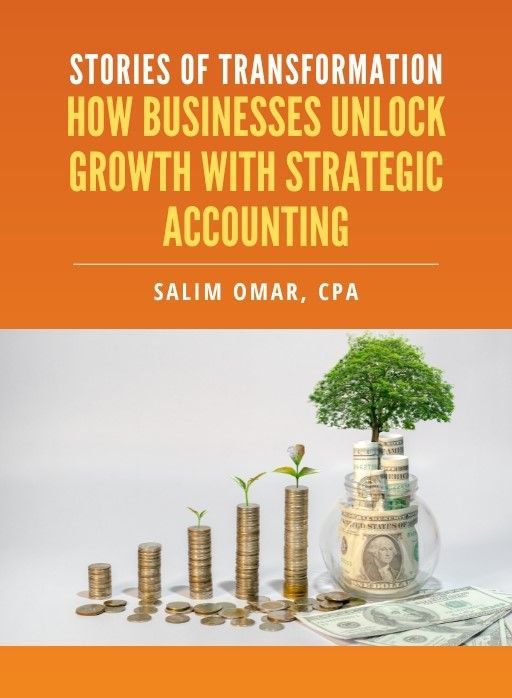
Free eBook:
Stories of Transformation

Salim is a straight-talking CPA with 30+ years of entrepreneurial and accounting experience. His professional background includes experience as a former Chief Financial Officer and, for the last twenty-five years, as a serial 7-Figure entrepreneur.
Recent Posts