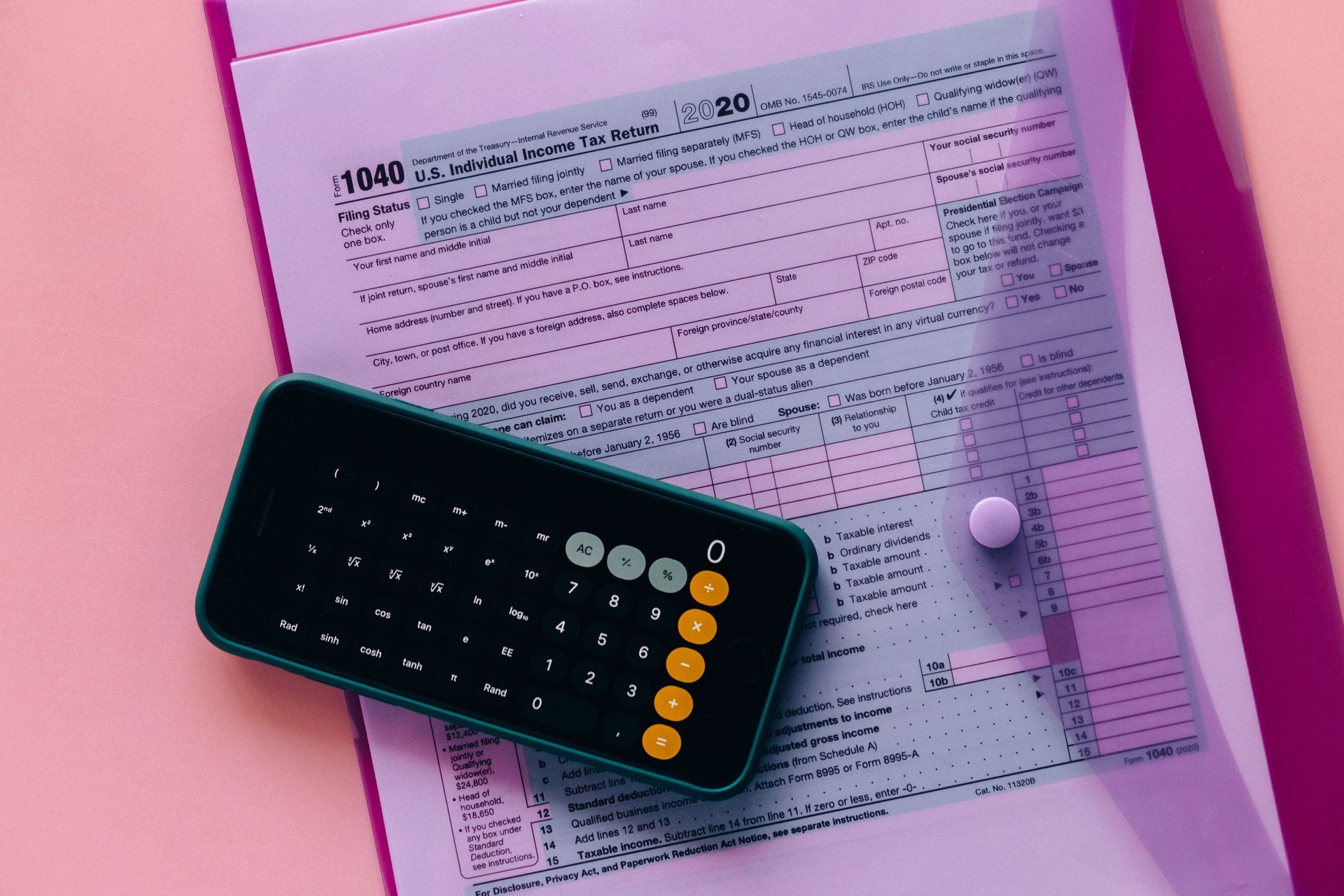
What to Do With the Extra Time a Tax Extension Buys You

A tax extension solves one problem while leaving a bigger one untouched.
The filing deadline moves. But if those extra months get spent simply waiting for the new date to arrive, the more valuable opportunity slips away — using that time to understand what the numbers are actually saying and make better business decisions before the year runs out.
For business returns, an extension gives you more time to file. It does not give you more time to pay. The IRS is clear that Form 7004 does not extend the time to pay a business tax liability.
So once the extension is filed, don't shelve the return and move on. Use the time with intention.
1. Get the Financials Into Shape
Start with the numbers themselves.
Unreconciled accounts, aging receivables, misclassified expenses, transactions that don't have a clear explanation — if any of that is sitting in the books, the extra time creates a genuine opportunity to sort it out before the return gets finalized.
But there's a second reason that matters beyond the return itself.
Clean financials give you an honest view of how the business is actually performing. A tax return tells you what income was reported. The financial statements behind it explain why profitability moved the way it did, where cash went, and which parts of the business are genuinely pulling their weight.
That information stays useful long after the filing deadline has passed.
2. Find Out What Actually Drove Your Tax Bill
Don't stop at the final number.
Trace it back to what created it.
Did profits climb?
Did owner compensation shift?
Did a significant transaction affect taxable income?
Were estimated payments reasonably close to what was ultimately owed?
Did the business generate enough cash to cover its tax obligations without straining anything?
This kind of review turns the tax return into a business diagnostic rather than a historical filing. The goal is finding patterns that can actually influence decisions being made right now, in the current year.
3. Compare the Tax Picture With the Business You Have Today
An extension creates time to look forward — not just backward.
Pull current-year financials alongside the prior-year numbers. Look at revenue, gross margins, operating expenses, debt, cash position, and any meaningful changes in how the business operates.
Then ask a direct question:
Does the business today behave the way last year's tax return suggests it was performing?
If revenue has accelerated while margins have compressed, that matters. If profits are up but cash isn't following, that matters too.
Those gaps can point to pricing issues, rising labor costs, inventory problems, customer concentration, or spending decisions that deserve a closer look before they become harder to address.
4. Revisit Decisions You Were Rushing to Make
This is where a tax extension can create real strategic value.
Equipment purchases, new hires, compensation changes, expansion into a new market, a significant investment — if any of those were on the table, the extra time creates room to evaluate them properly instead of making them under deadline pressure.
I once worked with a business owner considering a substantial equipment purchase, partly because of the tax benefit it would generate. With more time to look at the company's cash position and near-term obligations, it became clear the purchase would put unnecessary pressure on liquidity during a critical growth window.
The tax benefit was real. But so was the cost of tying up that cash.
The better decision came from seeing the full financial picture — not from optimizing one line on the return.
5. Update Your Cash Flow Forecast
A tax extension is also a reasonable prompt to revisit the next six to twelve months.
Map out expected cash in and cash out. Payroll, debt service, taxes, planned purchases, hiring, distributions, and any other significant commitments all belong in that picture.
Then look for where things get tight.
A business can be profitable on paper and still hit stretches where cash runs short. Growth tends to make that problem more acute — hiring, inventory, equipment, and other investments usually demand cash before the additional revenue they're supposed to generate actually arrives.
A forward-looking cash forecast gives you time to address those pressure points before they become something harder to manage.
6. Identify the Decisions That Cannot Wait
By this point, the work should have produced more than a cleaner tax file.
There should be a short list of decisions worth acting on.
Maybe the current entity structure deserves another look. Maybe estimated payments need to be adjusted. Maybe the business needs to protect more cash, improve margins, revisit pricing, or push back on a major expenditure that didn't look risky until the full picture came into focus.
The goal isn't manufacturing tax strategies because an extension happens to be open.
The goal is identifying the decisions where better financial information actually changes the outcome.
Don't Waste the Extension on a Later Version of the Same Deadline
The most productive use of a tax extension is treating it as a planning window — not a postponed filing date.
Use it to:
- Clean up the financials so every decision that follows is built on reliable information
- Understand last year's numbers rather than simply reporting them
- Review current-year profitability and cash flow while there's still time to respond to what they're showing
- Pressure-test major business decisions before capital gets committed
- Update the forecast for the next six to twelve months
- Identify tax and financial decisions that need attention before year-end arrives
The tax return shouldn't be the point where the financial conversation ends. It should be the starting point for improving what happens next.
That's the real value of the extra time.
Don't use a tax extension simply to file later. Use it to see the business more clearly while there's still room to make changes. Straight Talk CPAs helps business owners connect tax planning with cash flow, profitability, forecasting, and broader financial decisions — so they can move through the year with a clearer picture of where the business stands and where it's actually headed.
Free eBook:
Stories of Transformation

Salim is a straight-talking CPA with 30+ years of entrepreneurial and accounting experience. His professional background includes experience as a former Chief Financial Officer and, for the last twenty-five years, as a serial 7-Figure entrepreneur.
Recent Posts