
Why “I’ll Just File an Extension” Is Rarely a Strategy

At Straight Talk CPAs, one phrase shows up every tax season—usually said casually, sometimes with relief:
“I’ll just file an extension.”
On the surface, it sounds reasonable.
More time. Less pressure. Decisions postponed.
But in practice, filing an extension is rarely a strategy. More often, it’s a reaction—and one that creates a false sense of control.
This article explains what a tax extension actually does, what it doesn’t do, and why relying on extensions year after year often leads to the very problems business owners are trying to avoid.
What a Tax Extension Actually Gives You
A tax extension does one thing—and only one thing.
It gives you more time to file paperwork.
That’s it.
It does not:
- Give you more time to plan
- Give you more time to reduce taxes
- Pause interest on unpaid balances
- Reopen missed elections
- Fix incomplete records
The tax liability is still calculated as if the return were filed on time. Any unpaid amount is still due by the original deadline.
The extension simply delays when the forms are submitted.
Why Extensions Feel Like a Safety Net
Extensions feel helpful because they reduce immediate pressure.
Deadlines move.
Urgency fades.
The calendar breathes.
For business owners juggling growth, cash flow, and operations, that relief feels productive—even responsible.
But relief isn’t the same as progress.
In many cases, extensions don’t solve the underlying issue. They just
move it further down the road, where it’s harder to address and easier to ignore.
The Real Reasons People File Extensions
Most extensions aren’t filed because of complexity. They’re filed because of unresolved inputs.
Common drivers include:
- Books that aren’t finalized
- Missing or incomplete documents
- Unclear income or expense classifications
- Late-arriving forms
- Open questions that weren’t addressed earlier
An extension doesn’t resolve any of these. It simply acknowledges that the information needed to file cleanly isn’t ready.
That’s not a strategy. That’s a signal.
Why Extensions Rarely Improve Outcomes
Once an extension is filed, the tax outcome is largely locked in.
Why?
- Income has already been earned
- Expenses have already been incurred
- Elections are often time-bound
- Planning windows have closed
What remains is assembly—not optimization.
In fact, extended returns are often prepared under less favorable conditions:
- Less urgency
- Less calendar leverage
- Less strategic flexibility
- More compressed timelines later in the year
The result isn’t a better return. It’s usually a delayed version of the same one.
The Hidden Costs No One Talks About
Extensions don’t show up as penalties, but they do carry costs.
They often lead to:
- Lingering uncertainty around cash flow
- Difficulty forecasting future tax obligations
- Stress that stretches for months instead of weeks
- Backlogged
CPA schedules later in the year
- Rushed decisions when multiple deadlines collide
What was meant to reduce pressure often extends it.
When Extensions Actually Make Sense
Extensions aren’t inherently bad. They’re just misunderstood.
They can be appropriate when:
- A significant transaction occurred late in the year
- Third-party reporting is genuinely delayed
- Complex events require additional validation
- Strategic planning was already done earlier
In these cases, the extension supports accuracy—not avoidance.
The difference is intent.
Used deliberately, extensions are tactical. Used habitually, they’re reactive.
Why “We’ll Figure It Out Later” Rarely Works
The idea behind many extensions is simple: more time will bring more clarity.
But clarity doesn’t come from time alone.
It comes from
structure, preparation, and decisions made early.
If books weren’t clean in March, they rarely get cleaner by September without deliberate effort. If planning wasn’t done before deadlines, it doesn’t magically reappear later.
Time doesn’t fix systems.
It just exposes them.
What a Real Strategy Looks Like Instead
A real tax strategy doesn’t rely on extensions as a default.
It focuses on:
- Clean, current books throughout the year
- Early identification of tax exposure
- Decisions reviewed before they’re locked in
- Filing as confirmation—not crisis management
In that model, extensions become optional tools—not annual necessities.
The Psychological Trap of Extensions
Perhaps the biggest issue with extensions isn’t technical. It’s mental.
They create the impression that something is being handled—when in reality, it’s being deferred.
That gap between perceived control and actual control is where frustration builds. By the time the extended deadline arrives, the same questions resurface—often with higher stakes and less time.
The Bottom Line
Filing an extension isn’t a strategy. It’s a timing adjustment.
When extensions are used to support accuracy after proactive planning, they can be useful. When they’re used to delay unresolved issues, they compound them.
At Straight Talk CPAs, extensions are treated as tools—not defaults. The goal isn’t to buy time. It’s to use time intentionally, so filing happens with clarity, confidence, and control.
Tax outcomes improve when preparation leads—and deadlines follow.
That’s how extensions stay occasional, tax season stays predictable, and uncertainty stops dragging on for months after it should have ended.
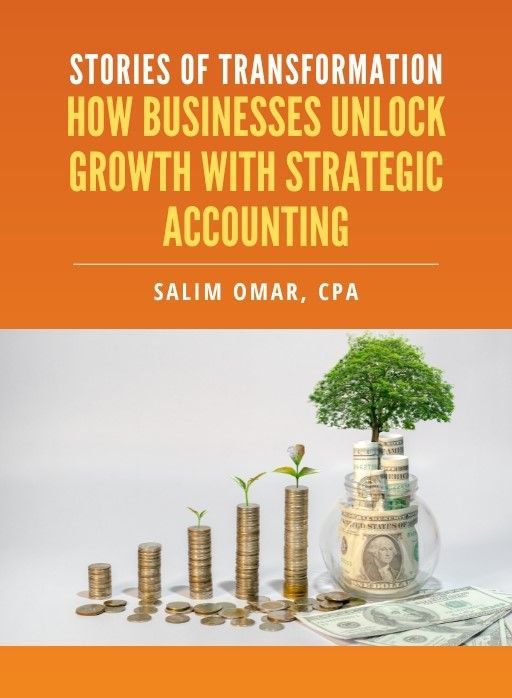
Free eBook:
Stories of Transformation

Salim is a straight-talking CPA with 30+ years of entrepreneurial and accounting experience. His professional background includes experience as a former Chief Financial Officer and, for the last twenty-five years, as a serial 7-Figure entrepreneur.
Recent Posts