A Tax Extension Doesn't Pause Everything
A tax extension can feel like a reset button.
The filing deadline moves. The immediate pressure comes off. Everyone gets a little more breathing room.
But I've seen business owners make one mistake after getting an extension: they treat the extension as permission to put their finances on hold.
That's not what an extension does.
An extension gives you additional time to complete and file the return. It does not generally extend the deadline for paying taxes owed. The IRS is clear about that distinction, including for business returns filed using Form 7004.
More importantly, the business itself doesn't stop operating just because the tax return isn't finished.
Revenue keeps coming in. Expenses continue. Employees get paid. Customers take time to pay. Investment decisions come up.
And your financial position keeps changing.
The Tax Return Is Still Looking Back
I've worked with business owners who came into tax season focused on one question: “How much do I owe?”
That's understandable, but sometimes the more useful questions are sitting underneath that number.
- Why did taxable income change?
- Did profitability improve because the business became more efficient, or because of something that won't repeat?
- Did certain expenses increase faster than expected?
- Are estimated payments still appropriate based on how the business is performing?
- Are there decisions being made today that will affect the next tax year?
An extension gives you more time to answer those questions thoughtfully instead of rushing through them because a filing deadline is approaching.
That's valuable time—if you use it.
Don't Let the Tax Bill Surprise Your Cash Flow
This is where tax planning becomes a business issue rather than simply a tax issue.
If you expect a balance due, the question isn't only how much tax you owe.
It's also:
How does paying it affect the business?
A large payment can compete with payroll, inventory purchases, debt payments, hiring plans, equipment purchases, or other uses of cash.
The IRS recommends estimating the amount owed and paying by the original deadline rather than assuming the extension gives additional time to pay.
For a business owner, that means the tax obligation belongs in the cash conversation early.
You want to know what is coming before the payment is due—not discover its impact on the business after the money has left the account.
Use the Extra Time to Look Forward
This is where I think an extension can actually become useful.
Once the immediate filing pressure is reduced, take a closer look at the year ahead.
Are your current estimated tax payments aligned with the business's expected results?
Are there major purchases or investments coming up?
Are you planning to hire?
Has profitability changed?
Are there opportunities to improve how the business is structured or how financial information is being tracked?
You don't need to wait for the completed tax return to start asking these questions.
In fact, waiting can cost you opportunities.
Tax planning works best when it's connected to business decisions early enough to influence them.
One Client Conversation Can Change the Priorities
I remember working through a situation where a business owner initially viewed the extension as simply extra time to finish the return.
As we reviewed the business, another issue became more important.
The company was planning a significant investment later in the year, but the owner's original plan didn't fully account for the cash required for that investment alongside the expected tax obligation.
The extension didn't solve the problem.
The additional time to review the numbers did.
It gave us an opportunity to look at the upcoming commitments together rather than treating the tax payment as an isolated event.
That is an important distinction.
More time is only valuable if you use it to make a better decision.
What Should Still Be Moving?
If your return is on extension, your business shouldn't be.
Keep your normal financial rhythm moving.
Keep your books current.
Review cash.
Track profitability.
Update your forecast.
Revisit estimated tax payments when your circumstances change.
And when a major business decision comes up, consider its tax and cash implications before committing.
The tax return will eventually tell you what happened.
Your ongoing financial information should help you decide what happens next.
Treat the Extension as Breathing Room, Not a Pause Button
An extension is useful when you genuinely need more time to complete an accurate return. But it shouldn't create a gap between tax preparation and business planning.
At Straight Talk CPAs, we look at tax planning as part of the larger financial picture. The goal is to help business owners understand their tax obligations while also keeping an eye on cash, profitability, upcoming decisions, and the financial direction of the business.
So if you're on extension, don't ask only:
“How much more time do I have to file?”
Ask:
“What can I learn, plan, or change with the time I have?”
That's where an extension stops being a deadline adjustment and becomes an opportunity to make better financial decisions before the next filing deadline arrives.
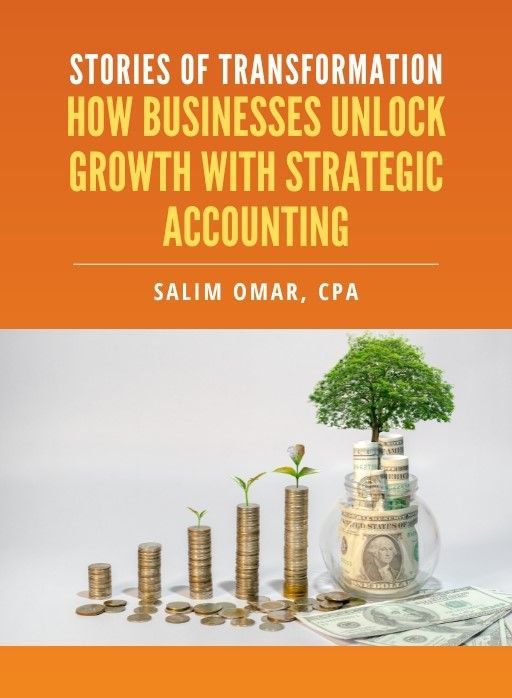
Free eBook:
Stories of Transformation

Salim is a straight-talking CPA with 30+ years of entrepreneurial and accounting experience. His professional background includes experience as a former Chief Financial Officer and, for the last twenty-five years, as a serial 7-Figure entrepreneur.
Recent Posts