
How to Avoid IRS Penalties After Filing a Tax Extension
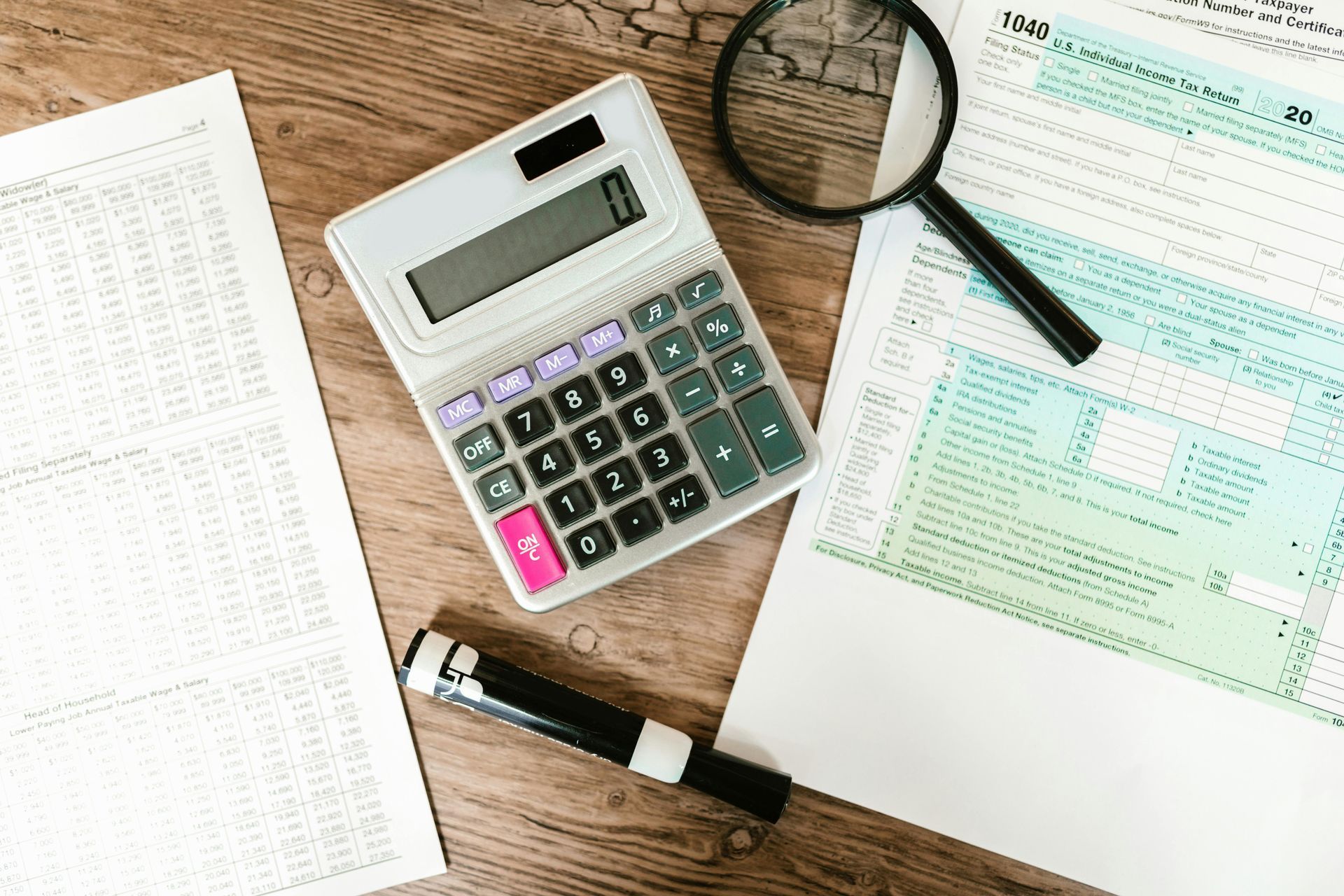
Filing a tax extension can remove the immediate pressure of getting a return filed. It doesn't remove the tax liability, and it doesn't eliminate the possibility of penalties.
That distinction catches business owners off guard.
An extension generally gives you more time to file, but it does not give you more time to pay. The IRS states that Form 7004 does not extend the time to pay a business tax liability. Interest can continue to accrue on unpaid tax, and a failure-to-pay penalty may also apply.
So after filing an extension, there are still several things that deserve attention. The goal isn't simply avoiding a penalty. It's making sure a tax obligation doesn't create a larger cash-flow or planning problem for the business.
Start With the Deadline That Still Matters
The first mistake to avoid is treating the extended filing date as your new tax deadline.
It isn't.
The extension generally gives you additional time to submit the return. The payment obligation remains tied to the original deadline. The IRS notes that a failure-to-pay penalty can generally apply when tax isn't paid by the original due date, with interest also accruing on the unpaid balance.
So put two dates on your calendar:
When the tax must be paid.
When the extended return must be filed.
They are different deadlines with different consequences.
That simple distinction can prevent a surprisingly expensive misunderstanding.
Know What You Owe Before the Return Is Finished
You don't need to wait for the final return to understand whether a tax payment could put pressure on the business.
Use the financial information already available to estimate the liability.
Then compare it with the company's actual cash position.
What is available in the bank?
What payroll is coming up?
Which vendors need to be paid?
What debt obligations are due?
Are there planned purchases or investments that require cash?
I've found that this is where tax planning becomes much more useful than simply calculating a number.
A tax liability may be completely manageable. But if nobody has compared it with the company's upcoming cash requirements, the payment can still become a surprise.
Don't Let Last Year's Extension Create This Year's Estimated-Tax Problem
There's another deadline hiding behind the one you've already extended.
Your extended return relates primarily to the prior tax year. Your estimated tax obligations may relate to the year you're currently in.
If business income has changed significantly, those estimated payments may need to change too.
The IRS explains that taxpayers can face an underpayment penalty when they haven't paid enough tax during the year, although specific exceptions and safe-harbor rules can apply.
This is particularly important when a business has grown quickly.
A company that earned $500,000 last year and is on pace for substantially more this year shouldn't assume last year's estimated payments automatically make sense today.
The financials should tell you whether the tax plan has kept pace with the business.
Use the Extra Filing Time to Remove Errors
The extended deadline is there for a reason: you have more time to prepare the return.
Use it.
Reconcile the accounts. Review unusual transactions. Check revenue and expenses. Investigate large changes from the prior year. Make sure the tax return is being prepared from financial information that has actually been reviewed.
Rushing the return at the last minute defeats much of the purpose of filing an extension in the first place.
There is also a business benefit here.
The same review that helps produce a more accurate return can reveal declining margins, unusual expenses, weak collections or other issues that deserve attention.
Good tax preparation shouldn't require you to stop thinking about the business.
Keep Proof of Payments and Filing Records
Payment records become particularly important when multiple tax obligations are involved.
Keep confirmation of extension payments, estimated tax payments, correspondence and other relevant records in one place.
If the IRS later sends a notice, you want to be able to establish what was paid, when it was paid and what the payment was intended to cover.
If you receive a penalty notice, don't automatically assume the amount is final either. The IRS provides penalty-relief options in certain circumstances, including situations involving reasonable cause and good faith, depending on the penalty involved.
The right response depends on the facts, but ignoring the notice rarely improves the situation.
If You Can't Pay Everything, Deal With It Early
Sometimes the numbers make the situation clear: the business doesn't have enough cash to pay the entire tax liability when it is due.
That doesn't mean the problem should be pushed aside until the extended filing deadline.
The IRS provides payment options for taxpayers who cannot pay their full balance immediately. The available option depends on factors such as the amount owed and the taxpayer's circumstances.
From a business perspective, the important thing is to make the shortfall visible early.
If paying the full amount would drain the cash reserve needed for payroll or operating expenses, that tradeoff needs to be understood before the money leaves the account.
A tax payment should be part of the cash-flow plan, not something that happens to the business unexpectedly.
A Tax Extension Should Trigger a Financial Check-In
I remember working with a business owner who had filed an extension expecting the eventual tax bill to be manageable.
The business had grown considerably, but the owner's estimated payments hadn't kept pace with the increase in income.
Once we reviewed the financials, the tax exposure became much clearer. More importantly, we could see how the payment would affect cash available for payroll, operating expenses and upcoming commitments.
The issue wasn't that the business had suddenly become unprofitable.
The issue was that its tax obligation had grown faster than the owner's cash-flow planning.
That distinction gave the owner time to make informed decisions instead of discovering the problem when the return was finally completed.
Your Post-Extension Checklist
Once the extension has been filed, put these items somewhere you can actually see them:
- Original payment deadline: Know when the tax was due.
- Estimated liability: Have a reasonable understanding of what may be owed.
- Payments already made: Confirm extension and estimated-tax payments.
- Extended filing deadline: Know when the return must actually be filed.
- Current-year estimated taxes: Revisit them if business income has changed.
- Cash-flow impact: Understand what paying the liability means for the business.
- Financial records: Make sure the return is being built from accurate, reviewed information.
- IRS correspondence: Respond to notices rather than letting them sit.
That's the practical way to reduce avoidable penalty exposure after filing an extension.
But there is a larger lesson here.
A tax extension should buy you time to make better decisions—not simply more time to file.
At Straight Talk CPAs, we look at tax obligations alongside the financial realities of the business: cash flow, profitability, forecasting, estimated payments and upcoming decisions. That broader view helps business owners understand not only what they may owe, but how that obligation fits into the financial plan for the business.
The practical takeaway is simple: know what you owe, know when it is due, verify what you've already paid, and understand how the payment affects your cash position.
That is how you turn a tax extension from a postponed deadline into a better-managed financial obligation.
Free eBook:
Stories of Transformation

Salim is a straight-talking CPA with 30+ years of entrepreneurial and accounting experience. His professional background includes experience as a former Chief Financial Officer and, for the last twenty-five years, as a serial 7-Figure entrepreneur.
Recent Posts