Smart Year-End Retirement Moves for Business Owners

For business owners, year-end planning is never just about closing the books. It’s about decisions that affect taxes, cash flow, and long-term stability—all at the same time. Retirement planning often gets pushed down the list, handled late, or treated as something to revisit “next year.”
That delay is costly.
Retirement contributions are one of the few tools that allow business owners to reduce current taxes while building future security. But unlike employees, business owners don’t get a one-click solution. The options are broader, the rules are more complex, and timing matters far more than most realize.
At
Straight Talk CPAs, year-end retirement planning is approached as part of the bigger picture—aligned with how income is earned, how cash moves through the business, and what the owner actually wants long term.
Why Business Owners Should Revisit Retirement Before December 31
Business income isn’t always predictable. Strong Q4 revenue, delayed expenses, or one-time gains can push taxable income higher than expected. Without planning, that increase flows straight into taxes.
Year-end retirement moves help:
- Offset higher-than-expected income
- Smooth tax exposure during strong years
- Convert business profits into long-term personal assets
- Create a structure around owner compensation
The key advantage is timing. Once the year closes, many of these opportunities narrow—or disappear entirely.
Retirement Contributions Are a Tax Strategy First
For business owners, retirement accounts aren’t just savings vehicles. They’re tax-planning tools.
Used intentionally, they can:
- Reduce taxable income at higher marginal rates
- Defer taxes into future years
- Improve predictability around year-end liabilities
- Support long-term exit and succession goals
The mistake is treating retirement funding as a fixed amount instead of a flexible lever tied to business performance.
Understanding Which Moves Must Happen Before Year-End
Not all retirement decisions have the same deadlines. Some require action before December 31, while others allow funding after year-end—but still depend on decisions made now.
This is where many owners lose ground:
- Waiting until filing season to explore options
- Assuming last year’s setup still fits this year’s income
- Missing opportunities to adjust contributions based on final numbers
Knowing what still requires year-end action creates clarity—and prevents rushed decisions later.
Cash Flow Comes First—Always
One of the biggest concerns business owners have around retirement contributions is cash flow. That concern is valid.
Smart retirement planning doesn’t drain the business. It works with cash flow, not against it.
Year-end planning helps owners:
- Fund contributions without disrupting operations
- Avoid emergency distributions later
- Align retirement funding with actual profitability
- Keep Q1 liquidity intact
When contributions are planned instead of reactive, they support stability rather than create strain.
Common Year-End Mistakes Business Owners Make
Even experienced owners make avoidable errors, including:
- Waiting until December’s final days to review options
- Overcontributing without understanding limits
- Under contributing due to uncertainty
- Treating retirement planning separately from tax planning
- Making decisions without updated projections
Most of these issues aren’t caused by complexity—they’re caused by timing.
How Retirement Fits Into the Bigger Year-End Picture
Retirement planning works best when it’s coordinated with other year-end moves, including:
- Income projections
- Bonus and compensation decisions
- Charitable giving
- Cash reserve planning
When these pieces are aligned, retirement contributions stop being a standalone task and start functioning as part of a cohesive strategy.
That coordination is what turns year-end planning from stressful to controlled.
The Bottom Line
For business owners, retirement planning isn’t something to handle “when there’s time.” It’s one of the smartest year-end moves you can make—when it’s approached intentionally.
The difference comes down to clarity. Knowing where the business stands, understanding which levers are still available, and acting before deadlines close gives you control over both taxes and long-term outcomes.
That’s how Straight Talk CPAs approach year-end retirement planning: not as a last-minute decision, but as a strategic step that supports the business today and the owner tomorrow.
And as the year comes to a close, this is also a natural moment to pause, reflect, and reset. If you’re reviewing numbers anyway, it’s the right time to make sure the progress you’ve built this year also strengthens what comes next.
Wishing you a clear finish to the year, a well-earned holiday break, and a strong start to the year ahead.
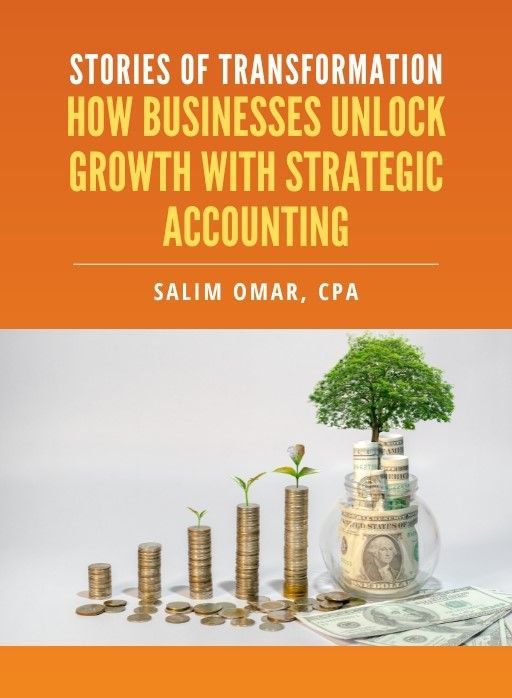
Free eBook:
Stories of Transformation

Salim is a straight-talking CPA with 30+ years of entrepreneurial and accounting experience. His professional background includes experience as a former Chief Financial Officer and, for the last twenty-five years, as a serial 7-Figure entrepreneur.
Recent Posts