What a Strong Year-End Tax Plan Should Actually Include
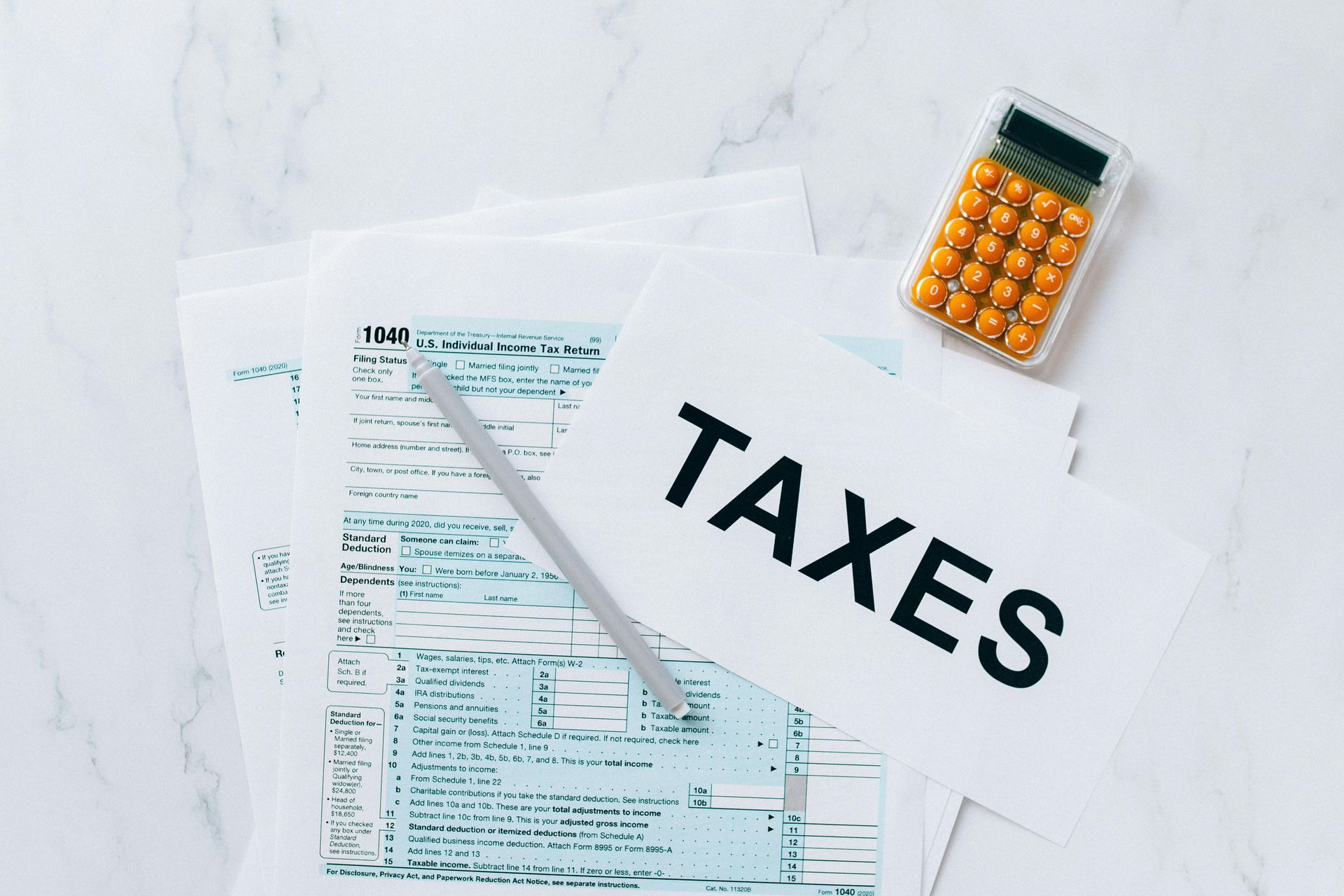
By December 31, most tax plans fall into one of two categories.
Either they’re strategic—intentional, documented, and aligned with the business.
Or they’re reactive—a scramble for deductions, rushed decisions, and crossed fingers heading into tax season.
The difference isn’t effort.
Its structure.
A strong year-end tax plan isn’t about finding last-minute write-offs. It’s about using the final days of the year to make deliberate decisions while you still have control.
At Straight Talk CPAs, we define year-end tax planning by one standard:
Does this plan actively improve outcomes—or just explain them later?
Here’s what a real year-end tax plan should include.
1. Income Control, Not Guesswork
Strong tax planning starts with understanding when income hits—not just how much.
That means:
- Reviewing how and when revenue is recognized
- Evaluating deferral or acceleration opportunities (where appropriate)
- Aligning owner compensation with tax brackets and cash flow
If income timing isn’t reviewed before year-end, the plan is already incomplete.
2. Expense Strategy (Not Expense Panic)
Good tax planning doesn’t just reduce liability—it reduces friction.
That means:
- Documenting intent behind decisions
- Supporting deductions with clean records
- Creating a clear paper trail for future review
This protects you during
tax prep, audits, and planning conversations next year.
A weak plan asks:
“What can I buy before December 31?”
A strong plan asks:
“What expenses improve both tax position and operations?”
This includes:
- Pulling forward necessary, already-planned expenses
- Avoiding rushed or poorly documented purchases
- Ensuring expenses are categorized correctly the first time
The goal isn’t to spend more. It’s to spend intentionally.
3. Depreciation and Asset Decisions Done Cleanly
Assets are one of the biggest levers in year-end tax planning—and one of the easiest places to make mistakes.
A strong plan includes:
- Clear CapEx vs. OpEx classification
- Proper use of depreciation elections (where they make sense)
- An understanding of how today’s write-offs affect future years
If depreciation decisions aren’t coordinated with cash flow and growth plans, they create downstream problems.
4. Cash Flow Protection Into Q1
Tax strategy that ignores cash flow isn’t a strategy—it’s a theory.
A real year-end tax plan answers:
- What will Q1 cash look like
after taxes?
- Are reserves aligned with upcoming obligations?
- Will tax payments create operational pressure?
Strong planning ensures taxes are paid
without disrupting momentum.
5. Alignment Between Bookkeeping and Tax Strategy
This is where most plans quietly break.
If your books aren’t:
- Clean
- Current
- Properly categorized
Then, tax planning is built on assumptions instead of facts.
A strong year-end tax plan requires:
- Reconciled accounts
- Accurate P&L classifications
- Clear visibility into trends, not just totals
Tax decisions are only as good as the data behind them.
6. Documentation That Holds Up Later
Good tax planning doesn’t just reduce liability—it reduces friction.
That means:
- Documenting intent behind decisions
- Supporting deductions with clean records
- Creating a clear paper trail for future review
This protects you during
tax prep, audits, and planning conversations next year.
7. A Forward View—Not Just a Backward Look
The strongest year-end tax plans don’t stop on December 31.
They also:
- Set expectations for next year
- Identify structural changes worth exploring
- Clarify what should be adjusted in Q1
A good plan closes the year cleanly.
A great plan opens the next year with direction.
What a Strong Plan Does Not Look Like
- Last-minute spending with no operational value
- Guessing instead of forecasting
- Waiting until tax season to ask strategic questions
- Treating tax planning as a once-a-year event
Those approaches don’t save money—they defer clarity.
Bottom Line
A strong year-end tax plan isn’t about doing more in December.
It’s about doing the
right things—once, with intention.
When income, expenses, assets, cash flow, and bookkeeping are aligned, taxes stop being a surprise and start becoming a controlled outcome.
That’s what a real tax strategy looks like.
A Straight Talk Close
As the year comes to a close, clarity beats complexity.
Precision beats panic.
And strategy beats scrambling—every time.
From all of us at Straight Talk CPAs, here’s to closing the year informed, aligned, and confident—and starting the next one with numbers you can trust and decisions you can stand behind.
Happy New Year. Let’s make the next one intentional.
Free eBook:
Stories of Transformation

Salim is a straight-talking CPA with 30+ years of entrepreneurial and accounting experience. His professional background includes experience as a former Chief Financial Officer and, for the last twenty-five years, as a serial 7-Figure entrepreneur.
Recent Posts